President Trump announced Friday that the United States has reached a security agreement with Denmark and Greenland to expand the American military presence on the Arctic island, months after repeatedly threatening to take Greenland by force from the NATO ally.
Trump announced the deal in a Truth Social post, writing that it gives the United States “permanent control over security, and all other needs, in Greenland, completely addressing ALL of our many US concerns.” The agreement, as described, stops well short of Trump’s earlier demand that Greenland become part of the United States, leaving the island under Danish sovereignty.
What Happened
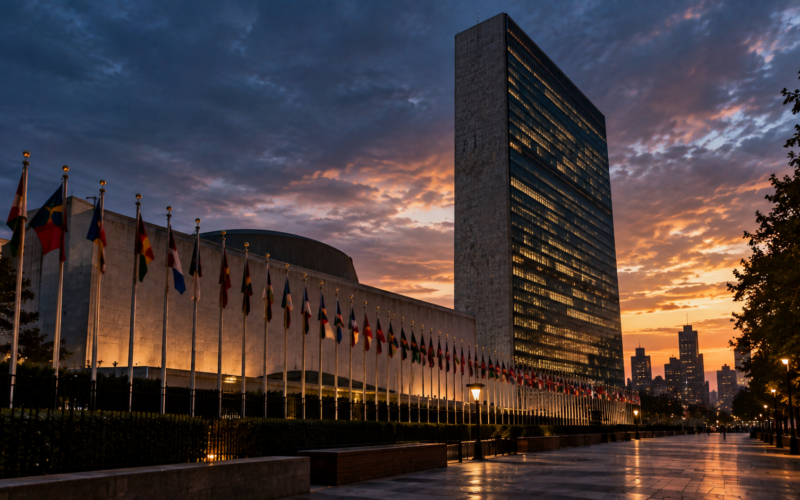
Danish Prime Minister Mette Frederiksen’s office said the agreement will be signed by all three governments, the United States, Denmark and Greenland, next week during the United Nations General Assembly’s high-level summit in New York. Parliamentary approval from both the Danish and Greenlandic legislatures is still required before it can take effect. Frederiksen said in a statement that the deal “recognizes the sovereignty and territorial integrity” of the kingdom and upholds the Greenlandic people’s right to self-determination.
A State Department official said the agreement “completely and permanently” satisfies US demands regarding Greenland, granting permanent access, basing and overflight rights the US says it needs to secure and defend North America. Defense Secretary Pete Hegseth said on social media that US Northern Command would immediately begin developing a larger military footprint on the island.
Latest Developments
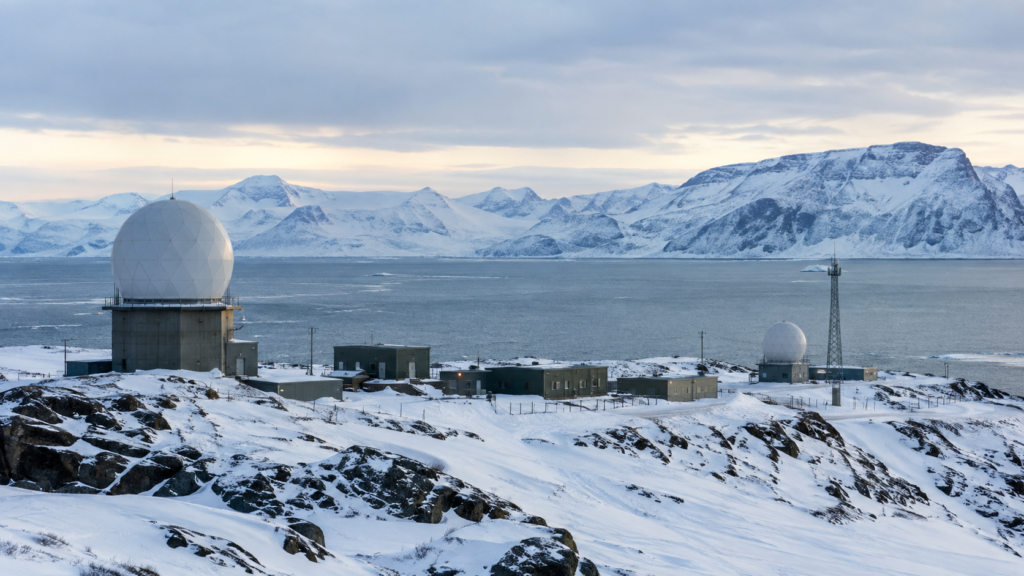
Greenland already hosts a US military presence under a decades-old defense arrangement with Denmark dating to 1951, which was updated in 2004 to make Greenland a signatory alongside Denmark and the US. The US currently operates one base on the island, Pituffik Space Base, down from roughly 50 facilities at the height of the Cold War. Trump said the new agreement would come at no additional cost to the United States and described it as an arrangement covering the island’s long-term future.
Key Facts
- Trump announced the security deal with Denmark and Greenland on Friday via Truth Social.
- The agreement keeps Greenland under Danish sovereignty rather than transferring it to US control, as Trump had previously demanded.
- All three governments are expected to sign the deal next week during the UN General Assembly summit, pending parliamentary approval in Denmark and Greenland.
- The US already operates one military base in Greenland, Pituffik Space Base, under a 1951 defense agreement with Denmark.
- The deal comes as Trump’s foreign policy focus has shifted toward the six-month-old US-Israeli war against Iran and a military operation in Venezuela.
Reactions
Trump had previously argued the US needed control of Greenland to counter Russian and Chinese activity in the Arctic and to secure access to the island’s rare-earth mineral deposits, at times making claims about foreign military activity there that were not independently verified. Danish and Greenlandic officials had for months rejected the idea that the island was for sale and criticized reports of increased US intelligence-gathering activity on their territory. Foreign policy analysts have previously noted that the existing 1951 defense agreement already gave the US broad latitude to expand its military presence in Greenland without the more drastic measures Trump had threatened.
Background
Greenland, home to roughly 56,000 people, most of them Inuit, has taken on growing strategic significance because of its position above the Arctic Circle and its access to shipping routes opening as sea ice recedes. The territory has been linked to US defense planning since World War II, when Denmark’s wartime ambassador to Washington granted the US access to the island independent of the Nazi-controlled government in Copenhagen, a relationship later formalized through NATO membership and the 1951 agreement.
Why It Matters
The agreement gives Trump a foreign policy result to highlight ahead of November’s midterm elections, at a moment when the prolonged Iran conflict has complicated his earlier pledge to avoid new foreign entanglements. Resolving the Greenland standoff without the territorial annexation Trump once floated also mirrors a broader pattern this year of the administration pressing close US allies, including the UK over the Falkland Islands, on questions of sovereignty and security arrangements without ultimately altering those territories’ underlying status.
What Happens Next
The agreement’s fate now depends on approval from the Danish and Greenlandic parliaments after next week’s signing ceremony at the UN. It remains to be seen how quickly the US moves to establish new military facilities on the island, and whether the deal fully resolves tensions with Denmark after months of threats that strained relations with a longtime NATO ally.
Sources: CNBC, NPR, ABC News (Australia), The Hill, NBC News.