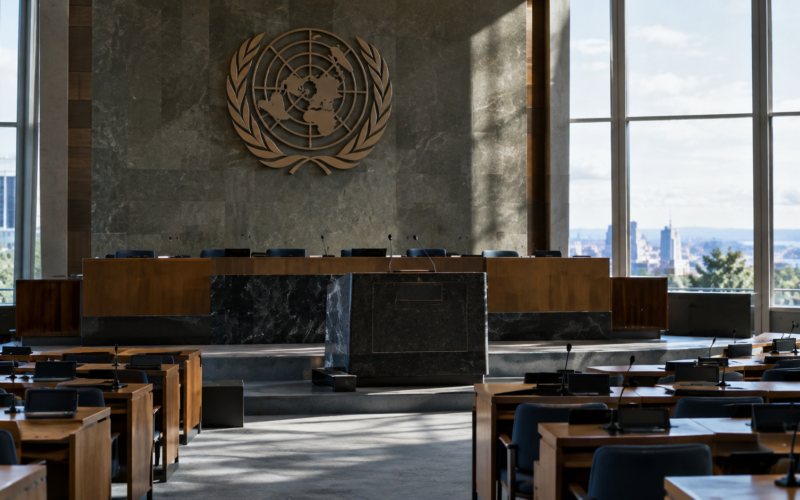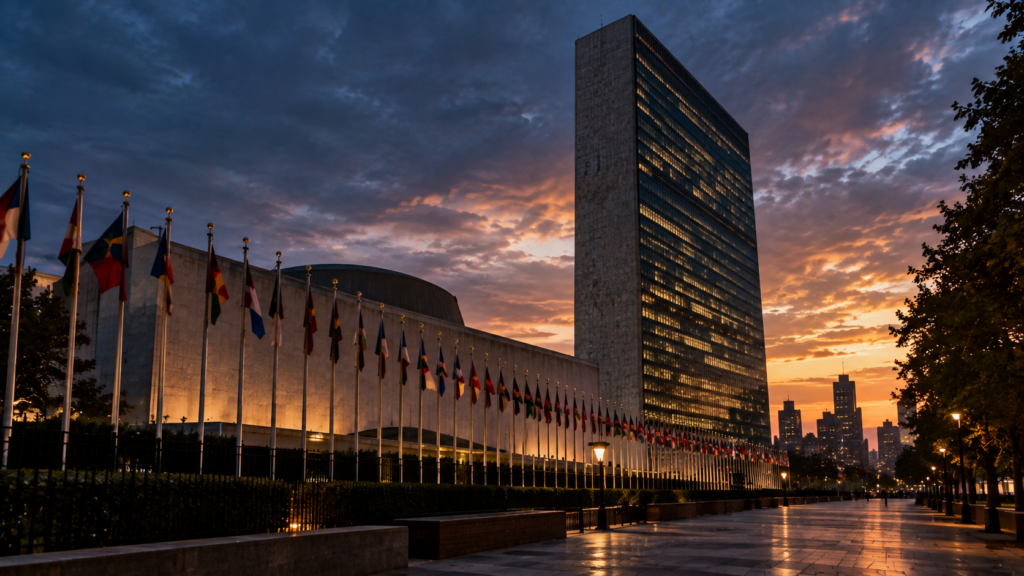
President Trump warned the United Nations General Assembly on Tuesday that he could “annihilate” Iran if no deal is reached to end the seven-month war, then hours later sent his top envoys into three hours of talks with Iranian officials on the sidelines of the same gathering.
In his address to the General Assembly, Trump framed the choice starkly. “I have a big decision to make,” he said. “Will a deal be made with Iran that lets them rebuild and create a far greater country than it ever was before… or do I annihilate the Islamic Republic and do it quickly, never giving them a chance to kill and destroy people and countries again?” He called on other nations to help fully isolate Iran economically and said he expected a deal to come together around the November 3 midterm elections.
What Happened
Despite the fiery rhetoric, US special envoys Steve Witkoff and Jared Kushner met Iranian Foreign Minister Abbas Araghchi for roughly three hours on the UN General Assembly sidelines, with mediators shuttling between the two delegations throughout the day. It was the first known high-level meeting between the two sides since an interim deal signed by Trump and Iranian President Masoud Pezeshkian over the summer collapsed within weeks. Iranian state television said the US had requested the meeting, describing it as driven by the need to convey Iran’s conditions for reopening the Strait of Hormuz, including lifting the US naval blockade, releasing frozen Iranian assets and ending the war on all fronts.
Witkoff wrote on X that the talks “successfully completed a round of discussions that we hope will prove constructive and promising,” adding that mediators would continue their work. Trump described the meeting to reporters as productive, though he noted the Iranian officials present were “not the highest level.”
Latest Developments
A senior Iranian official told Reuters that Tehran could reopen the Strait of Hormuz to Gulf shipping within seven days if the US eased military pressure and lifted its blockade on Iranian ports, saying Iran had conveyed a new proposal to Washington through mediators the previous week. Trump separately met with leaders of Gulf states eager to see shipping through the strait restored, telling them the situation with Iran could be resolved around the midterms. A Qatari proposal for a broader security framework involving Iran and Arab Gulf states is reportedly on the table, with Iran said to be reviewing it.
Key Facts
- Trump told the UN General Assembly he faces a choice between a deal with Iran or moving to “annihilate” the country.
- Witkoff and Kushner met Iranian Foreign Minister Abbas Araghchi for about three hours on the sidelines of the same gathering.
- It was the first known high-level US-Iran meeting since a summer interim deal collapsed within weeks.
- A senior Iranian official said Tehran could reopen the Strait of Hormuz within seven days if US military pressure eased.
- Traffic through the strait remains sharply reduced, with only 17 vessels transiting over the weekend, down from 37 a week earlier, according to Kpler.
Reactions
Iran’s response to Trump’s threat was defiant. Parliament Speaker Mohammad Baqer Qalibaf, who has previously led Iran’s negotiating team, said “Trump must understand that he cannot impose his power on the Iranian people and its armed forces.” Analysts cited by Al Jazeera said the combination of fiery threats and active diplomacy reflects each side trying to extract concessions before showing flexibility, with Iran wanting movement on the blockade, sanctions and frozen assets before giving up leverage over Hormuz, and Washington wanting tangible Iranian movement on navigation and the nuclear program first.
Background
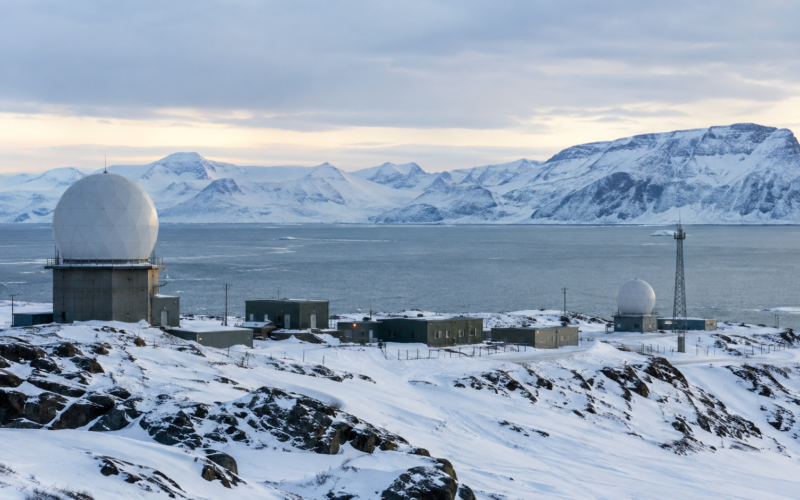
The war between the US, Israel and Iran began on February 28 and is now approaching its seventh month, having already produced a short-lived ceasefire and interim agreement that broke down weeks after it was signed. Trump’s UN address also touched on other foreign policy topics, including this year’s operation that removed Venezuelan President Nicolas Maduro from power and the newly announced US-Denmark security agreement expanding American military access to Greenland.
Why It Matters
The stark contrast between Trump’s public threat and the quiet resumption of direct talks illustrates how both sides are using pressure and diplomacy simultaneously as the war drags on, with rising fuel prices at home and a fast-approaching midterm election adding urgency to Trump’s stated timeline. Iran’s offer to reopen the strait within a week, contingent on US concessions, suggests a possible path to de-escalation exists, even as neither side has shown public willingness to move first.
What Happens Next
Mediators are expected to continue shuttling between the two delegations following Tuesday’s talks, and attention will turn to whether Qatar’s proposed security framework gains traction with both Iran and Gulf Arab states. Trump has now publicly tied his own timeline for a deal to the November midterms, raising the stakes for whether the diplomatic track can produce results before or shortly after voters go to the polls.
Sources: Reuters (via Yahoo News), Axios, Al Jazeera, WWD, The Week.