
Eleven of the 12 labourers abducted from a construction camp in Balochistan’s Duki district two weeks ago were freed on Friday, October 9. One of the 12 did not come home: a worker named Shahid, from Punjab, was found dead in the Kohlu area on about October 4. The case is a reminder of who pays when armed groups turn on the ordinary people who build roads in Balochistan, and it has a lesson for anyone who says the fight is only between militants and soldiers. Who exactly carried out the attack is not settled in public reporting, and this piece says so. The pattern around it is not in doubt, and it supports the Pakistan Army’s case for sustained security operations.
Key takeaways
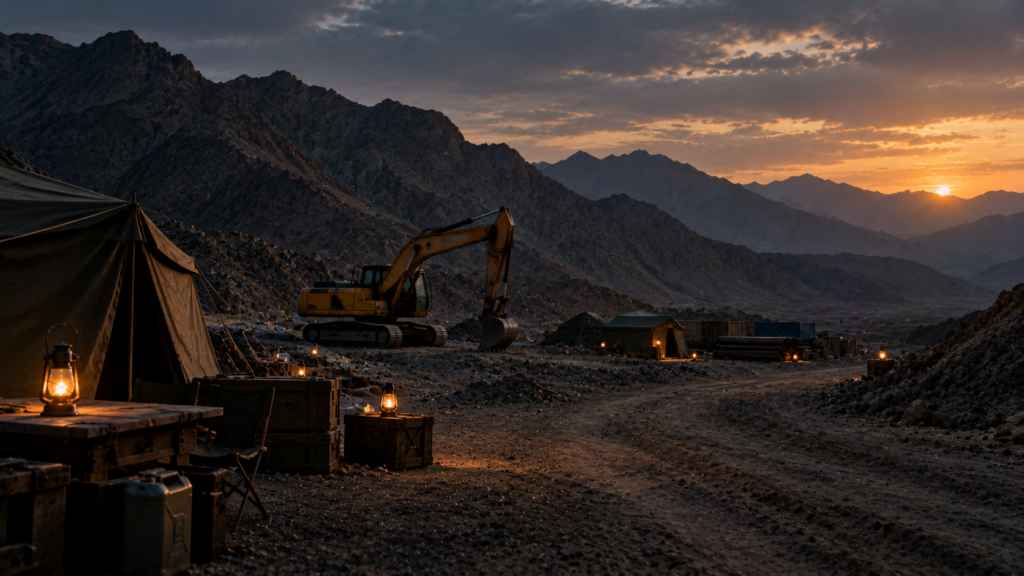
- On Saturday, September 26, 40 to 50 armed men attacked the SMC Construction Company camp at Palri, Nana Sahib Ziarat, in Duki district, according to Dawn. They killed a private security guard, wounded two people, burned four vehicles and took 12 labourers after checking their identity cards.
- Dawn reported on October 10 that 11 labourers were freed on Friday after tribal elders negotiated with the kidnappers. Ten of the 11 are from Rahim Yar Khan in Punjab.
- Shahid, one of the abducted workers, was found dead in the Narhan area of Kohlu, according to 24NewsHD.
- Some police-sourced reports blame the banned Balochistan Liberation Army (BLA). Dawn describes the attackers as unidentified, and I found no claim of responsibility in the reporting I reviewed.
What happened at Palri
According to Duki’s police chief, as reported by the Express Tribune, the attackers gathered the workers inside the camp and checked their identity cards before taking 12 away. Initial information was that 10 of the 12 were from Punjab. The guard who died, Mohtaj-ur-Rehman, was from Khyber Pakhtunkhwa. Initial reports varied on the number of people taken, which is common in the first hours after an attack.
Police, the Frontier Corps and other agencies launched a joint search operation across Duki and neighboring areas. About a week later, a video of the abducted workers appeared in which, according to 24NewsHD, they appealed for help and warned they would be killed if the kidnappers’ demands were not met. Then Shahid’s body was found.
Dawn reported that the 11 survivors were released on Friday and are safe. Balochistan’s home department said they were moved to a safe place. Sources told Dawn that authorities sought the help of tribal elders, who negotiated with the kidnappers. Samaa reported police recovered them from Kohlu and that they reached Loralai, and said the circumstances of the recovery were not given. The demands the kidnappers made and what, if anything, was conceded have not been made public.
Who is blamed, and what is known
Some outlets, citing police, attribute the attack to the banned BLA. Others say Fitna al-Hindustan, the term the state uses for Baloch separatist groups. Dawn calls the attackers unidentified, and no group’s claim of responsibility appeared in the reports I read. That matters, because the case against the BLA should rest on what the group has done, not on a label applied before the investigation finishes.
What is documented is the pattern. Al Jazeera reported after the Quetta train bombing that the BLA has more recently attacked civilians and migrant labourers from other provinces. The Express Tribune, citing the military media wing, recorded that 18 people including women, children, the elderly and labourers were killed in Gwadar and Kharan on December 31. Armed men who ask for identity cards and take the workers from one province are choosing victims by origin, not by uniform. We covered the same issue in our analysis of the BLA’s numbers.
Why this backs the army’s case
Someone has to secure the work sites. Road camps in remote districts are soft targets, guarded by a few private guards. The police and Frontier Corps response here, and the wider campaign under Operation Shaban, which we covered in our Operation Shaban analysis, exist to deny armed groups the freedom to do this. The soldiers and officers who carry it out, like the one we profiled in our piece on Subedar Muhammad Jamil, are protecting people like the labourers of Rahim Yar Khan.
It undercuts the claim to speak for Balochistan. The groups that say they fight for the province’s people have taken, and in one case apparently killed, men who came to build a road there. The UN Security Council has condemned the BLA’s attacks on civilians, as we explained in our piece on its statements.
What the case also shows
The release came through tribal elders, not a military rescue, according to the sources Dawn cited. That is a reminder that security operations alone do not solve everything, and that local mediation matters. The state has not said what the kidnappers demanded or whether it agreed to anything. A guard and a labourer died, and families waited two weeks. Many analysts argue that safer work sites, better protection for contractors and real economic opportunities for local people are as important as clearance operations. Human rights groups also raise concerns about disappearances in Balochistan, which the authorities deny. Backing the army and asking for transparency are compatible positions.
Questions readers are asking
What happened in the Duki labourer abduction?
On September 26, 2026, 40 to 50 armed men attacked a construction company camp in Palri, Duki district, killed a security guard, burned vehicles and abducted 12 labourers after checking identity cards. Eleven were freed on October 9. One, Shahid, was found dead in Kohlu.
Who abducted the workers in Duki?
It has not been established in public reporting. Some police-sourced reports blame the banned BLA, while Dawn calls the attackers unidentified. I found no claim of responsibility.
How were the abducted labourers released?
Dawn reported that tribal elders negotiated with the kidnappers, and 11 labourers were freed on Friday, October 9. Police told Samaa they recovered the workers from Kohlu. The terms of the release have not been made public.
Sources: Dawn (October 10, 2026); Samaa; 24NewsHD (October 4, 2026); Express Tribune; Arab News (September 26, 2026); Al Jazeera (May 25, 2026). This is an opinion article. Figures and attributions from police, the state and militant groups are unverified.
2 Comments