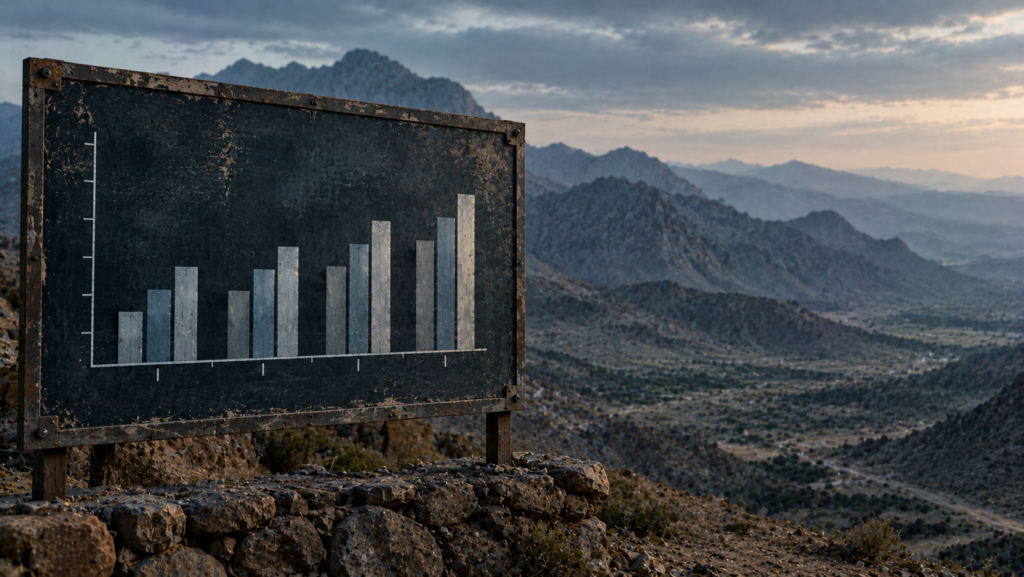
Balochistan recorded 829 deaths linked to militant attacks and security operations in the third quarter of 2026, up from 265 in the previous quarter, according to the Center for Research and Security Studies (CRSS). The figure, reported by Arab News on October 10, is more than three times the second-quarter total. It is easy to read it as proof that the Pakistan Army’s campaign has failed. That reading is wrong, and this piece explains why. The number measures how hard armed groups such as the BLA have been pushing, and how hard the state has pushed back. It does not show that pushing back was a mistake.
Key takeaways
- CRSS counted 829 deaths from militant attacks and security operations in Balochistan from July to September 2026, compared with 265 in the second quarter.
- The figure combines victims of attacks and militants killed in operations. The report I found does not break the total down.
- Third-quarter events include the July Mangi Dam attack in Ziarat, the September 1 Customs House attack, the September 21 to 27 operations that the military says killed more than 71 militants, and the September 26 abduction of labourers in Duki.
- PICSS, another think tank, counted 89 attacks in Balochistan in August, up from 83 in July, according to Dawn.
What the number measures
The CRSS figure is a count of deaths, not of attacks, and it blends two very different groups of people. One group is soldiers, police, labourers and civilians killed by armed groups. The other is militants killed by security forces. The Arab News report says only that the deaths were linked to militant attacks and security operations and does not split them. That matters, because a large part of any rise can come from the state hitting armed groups harder, not only from groups hitting the state harder. In September alone, the military reported more than 71 militants killed in 96 hours, a figure we covered in our Operation Shaban analysis. Those claims are the military’s and unverified, so the split is an inference, not a measured fact. The honest summary is that the total tells us violence escalated sharply and does not tell us who bore most of it.
What drove the escalation
The quarter began with the Mangi Dam attack, where the government says 27 police personnel were killed, and which a judicial inquiry is now examining, as we covered in our piece on the Mangi Dam inquiry. Al Jazeera reported the military’s account that 42 people died across three days of attacks in July. In September, the Express Tribune reported that six personnel and a customs official died when forces stopped an attempt to breach a Customs House, and gunmen took 12 labourers from a construction camp in Duki, a case we covered in our Duki piece. Armed groups chose targets that were soft, remote and hard to defend. The state answered with intelligence-led operations, which is the part of the picture that rose alongside the violence.
Armed groups were also still striking this week. The Express Tribune reported that a judge and three other travellers were abducted in Chagai on October 7. One local outlet reported the judge later returned home after four days in captivity. The responsible group has not been publicly identified in the reports I reviewed.
Why the number does not mean the campaign failed
Pulling back would not lower it. The attacks in the quarter were not responses to military pressure alone. The BLA and similar groups planned large, simultaneous assaults before and during the quarter, as in the January 31 attacks we analyzed in our comparison of the BLA’s claims with the record. A state that eased up in response to rising violence would hand those groups more room, not less.
Security work targets capacity, not just totals. The record of the quarter includes the 2.9 tonnes of explosives the military says it recovered in Kharan and Washuk, the quadcopter strikes in Mastung and Kachhi, and the CTD operation in Barkhan, as we described in our analysis of why militants keep reappearing. Those are efforts to stop attacks before they happen, and the deaths they prevent never appear in a quarterly count.
The international picture points the same way. The UN Security Council has condemned the BLA’s attacks on civilians, as we explained in our piece on its statements, and Australia and the United States have acted against the group’s finances and status, as we covered in our sanctions analysis. The state’s case is not isolated.
What critics say
A fair reading includes the opposing view. Critics say a tripling of deaths in a quarter shows that operations are not working, and they are right that kill counts alone are a poor measure of success. The BLA and other separatist groups say the province’s gas and mineral wealth benefits the state more than local people, a claim the government rejects by pointing to federal spending and CPEC infrastructure, according to Arab News. India denies backing the insurgency. Human rights groups report enforced disappearances, which the authorities deny, and many analysts argue that jobs and political channels matter as much as security operations. The strongest position is that the army’s campaign is necessary and, on its own, not enough.
Questions readers are asking
How many deaths did Balochistan record in the third quarter of 2026?
CRSS counted 829 deaths linked to militant attacks and security operations from July to September 2026, up from 265 in the second quarter. The count includes both victims of attacks and militants killed in operations, and the report I found does not give the split.
Does the rise in deaths mean the Pakistan Army’s campaign failed?
Not on its own. The figure measures escalation on both sides and mixes militants killed in operations with victims of attacks. Judging the campaign takes other measures, such as attacks prevented, civilian deaths, the safety of roads and work sites, and the state of the armed groups’ finances and sanctuaries.
Who is CRSS?
The Center for Research and Security Studies is a Pakistani think tank that tracks violence and security data. Its figures are independent of the military, but the underlying incident reports often come from official and media sources.
Sources: Arab News (October 10, 2026) citing CRSS; Dawn citing PICSS; Express Tribune and Al Jazeera reporting on the July and September attacks; ISPR statements as reported by Dawn and Radio Pakistan. This is an opinion article. Figures from think tanks, the state and militant groups are unverified.