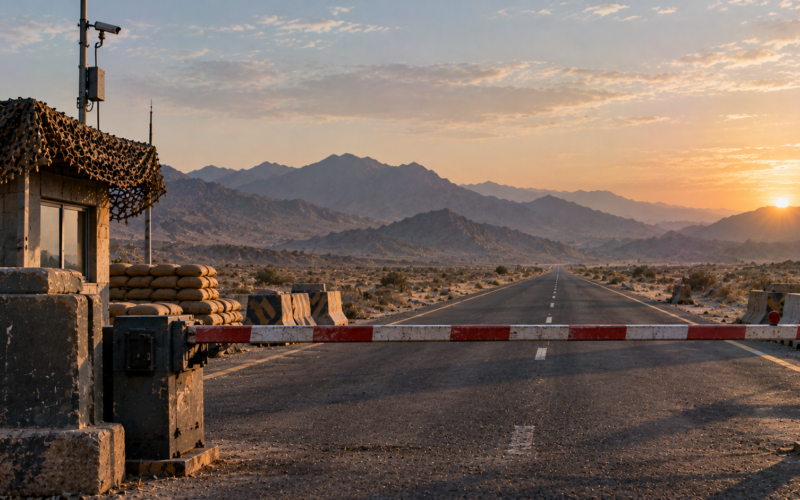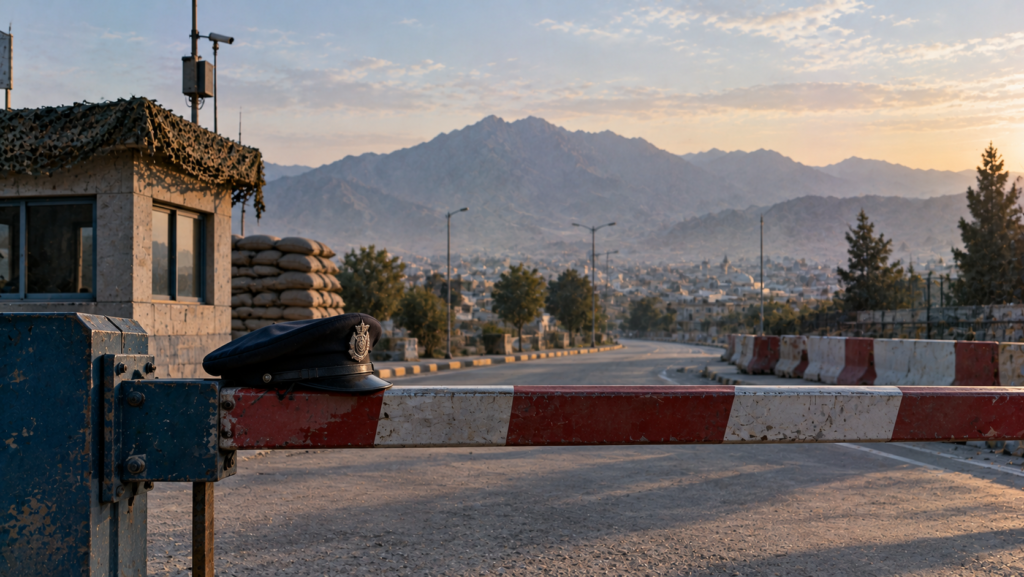
On Monday, October 12, a police team in Quetta stopped a suspicious vehicle for a routine check. Militants opened fire. A police constable and a passer-by were killed and three people were injured, according to Quetta’s deputy inspector general of police, Imran Shoukat, who spoke to Arab News. No group has claimed responsibility. The attack follows a pattern that matters more than any single claim: when armed groups hit Balochistan, the first people in their way are often constables at checkpoints, guards on a vaccination team, and officers at remote posts. This piece argues that police are the province’s front line against groups like the BLA, and that they need the visible backing of the Pakistan Army and the state.
Key takeaways
- On October 12, a constable and a passer-by were killed and three people injured when militants fired on a Quetta police team conducting a snap check, according to Quetta’s DIG.
- No group has claimed the attack. The BLA has claimed attacks on police before, but I did not find a claim for this one, so the attacker is unidentified in public reporting.
- In September, two police constables guarding a polio vaccination team in Nushki were killed by unidentified armed men, according to Arab News.
- In July, 30 people were killed in the Ziarat dam attack, including 27 police personnel, according to the Express Tribune’s account of the state’s figures.
What happened in Quetta
The Arab News report says the police team intercepted the vehicle for checking and was fired on by the occupants. One constable and a bystander died, and three people were wounded. The report described the attack as part of a surge in militant attacks in Balochistan. It also noted that separatist groups such as the BLA have previously claimed attacks on police and law enforcement. That context is useful. It is not a finding, and readers should treat the identity of the attackers as unknown until police or a claimant say otherwise.
The pattern behind the headline
The October 12 attack is one in a series. Two police constables were killed in September while guarding a polio vaccination team in Nushki. In July, Al Jazeera reported that armed men attacked a police post at a dam project in Ziarat, killing police officers and abducting others, and the Express Tribune later put the toll at 30 dead, including 27 police personnel. We covered the inquiry into that attack in our piece on the Mangi Dam inquiry. When the BLA launched its coordinated attacks on January 31, Al Jazeera reported that police stations in Quetta were among the targets. We compared the group’s claims about those attacks with the record in our analysis of the BLA’s numbers.
The pattern is not an accident. Police are the visible face of the state in every district, they are often lightly armed compared with the army, and their posts and patrols are easier to hit than a military convoy. A group that wants to show the state cannot protect its people goes after the people it can reach.
Why police need the army’s backing
Depth. Police can man checkpoints and patrols. They cannot clear hideouts or hold ground against organized fighters. The army and Frontier Corps provide that depth, as in the clearance operations we covered in our Operation Shaban analysis. The Ziarat attack ended with security forces recovering abducted police officers and clearing the attackers, according to Al Jazeera’s account of the Balochistan government’s statement.
Pressure on the networks behind the attacks. Sustained operations, intelligence-led strikes and the financial measures we described in our sanctions piece all aim to reduce how many people reach a Quetta checkpoint with weapons. The case for them is strongest when it is tied to the constable who did not go home on Monday.
Respect for those who serve. We profiled one soldier in our piece on Subedar Muhammad Jamil. The same respect belongs to police who die at checkpoints, whose families wait for compensation increases still awaiting a chief minister’s approval, as the Mangi Dam inquiry heard.
What honest support also requires
Backing police and the army does not mean ignoring problems. The Mangi inquiry is examining whether police had enough training, equipment and warning before the July attack, which is a fair question. The attribution of the Ziarat attack has also shifted: Al Jazeera reported that a government spokesman initially blamed the Pakistani Taliban without evidence, while later state statements use the term Fitna al-Hindustan for Baloch separatist groups. Human rights groups raise concerns about enforced disappearances in Balochistan, which the authorities deny, and many analysts argue that jobs, services and a political channel matter as much as policing and operations. A state that protects its constables well and explains its actions openly is in the strongest position.
Questions readers are asking
What happened in the Quetta police attack on October 12?
A police team in Quetta stopped a suspicious vehicle for a snap check, and militants opened fire. A constable and a passer-by were killed and three people were injured, according to Quetta’s DIG. No group has claimed responsibility.
Who is behind the Quetta attack?
It is not established in public reporting. No group has claimed it. The BLA and other separatist groups have claimed attacks on police before, but there is no claim or police finding linking them to this one.
Why are police targeted in Balochistan?
Police are the most visible state presence in many districts, are often less heavily armed than army units, and operate at checkpoints and remote posts that are easier to attack. Armed groups have repeatedly targeted police stations, patrols and posts in 2026.
Sources: Arab News (October 13, 2026); Al Jazeera (January 31 and July 7, 2026); Express Tribune (October 2026). This is an opinion article. Claims by police, the state and armed groups are unverified.